
Sprain & Strain Physio Dandenong South
The unexpected change in direction of a run. A faulty landing on the court. A serious task at the workplace. More people go to physiotherapy with sprains and strains than with any other injury except for fractures.
These injuries are treated weekly at Innovation Physio. We know that the first few days of the right care often determines whether recovery will be accomplished in two weeks or two months.
Our Dandenong South physiotherapy clinic provides specialist sprain and strain physiotherapy treatment for those that have a rolled ankle, pulled muscle or persistent joint instability. We are assisting you to return safely to work, sport, and everyday life. Learn more about our clinic and the members of your teams that will help you recover.
Sprain vs. Strain: What's the Difference? : Sprain & Strain Physio Dandenong South
These two words are used interchangeably, but they refer to different types of injuries.
Sprain involves damage to a ligament (connects bone to bone). This is a typical situation following a fall or twisting injury at the ankles, knees and wrists.
A strain is an injury to a muscle or a tendon (the tissue that links muscles with bones). This is usually caused by overstretching, sudden movements or repetitive strain at the workplace.
All injuries are mild to severe (Grade 1 to Grade 3 which is a complete tear). In both cases, physiotherapy is very effective in promoting healing, particularly if it is commenced as soon as possible.
What Causes Sprains and Strains?
When you know what causes the injury, you can avoid further injuries. Most sprains and strains occur due to any of these:
- Very sharp changes of direction in sport such as football, netball and basketball.
- Surfaces that are uneven and trap the foot or ankle unawares.
- Lack of appropriate warm up before loading the muscles
- Manual lifting done incorrectly in the warehouse and trading industry etc.
- Fatigue of the muscles, decreasing control and increasing injury potential at the end of activity.
- Injuries to a joint or muscle that have been treated in the past and made the joint less strong than it was before the injury.
If this resonates with you, our team can evaluate your movement patterns and treat the symptoms and underlying causes.
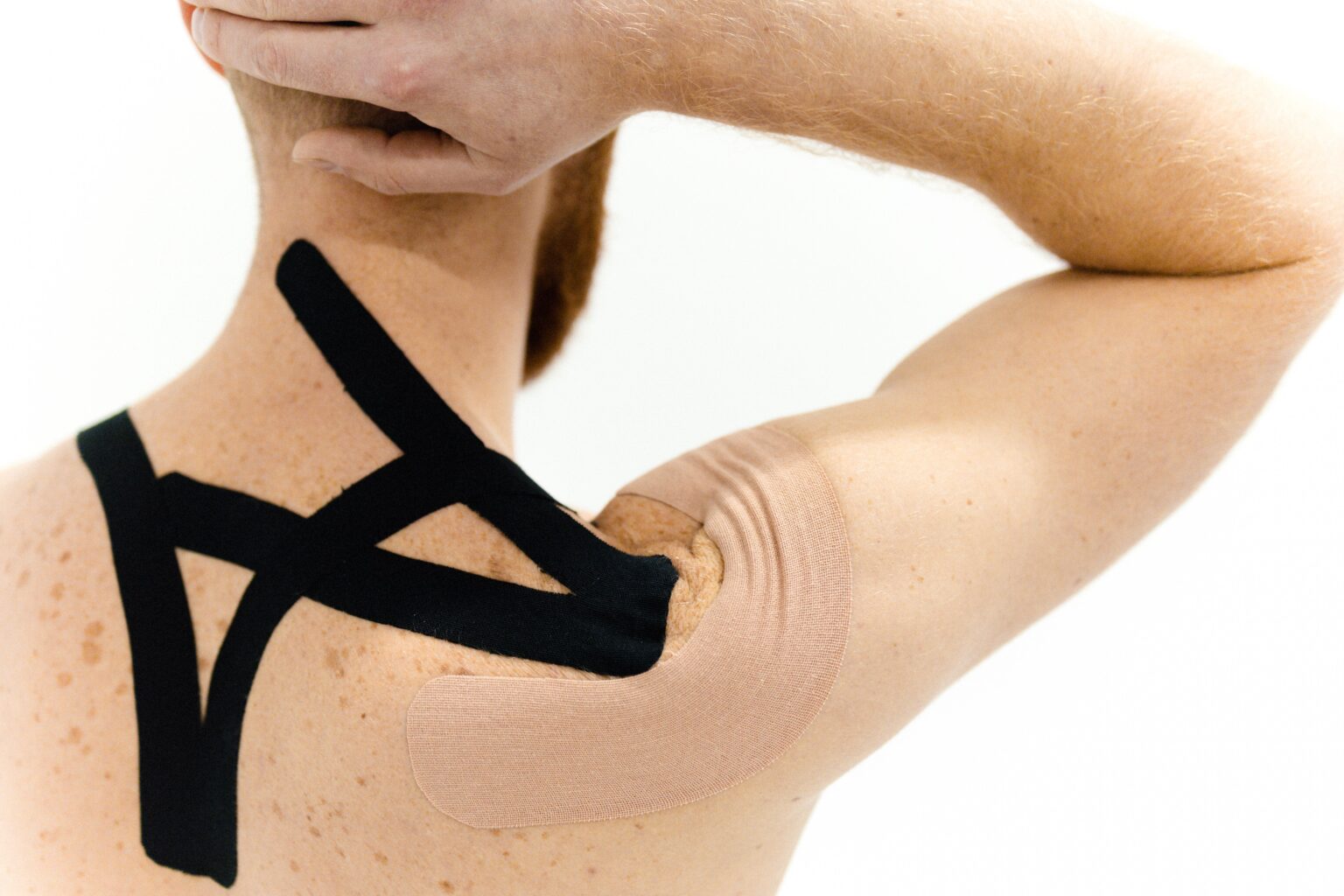
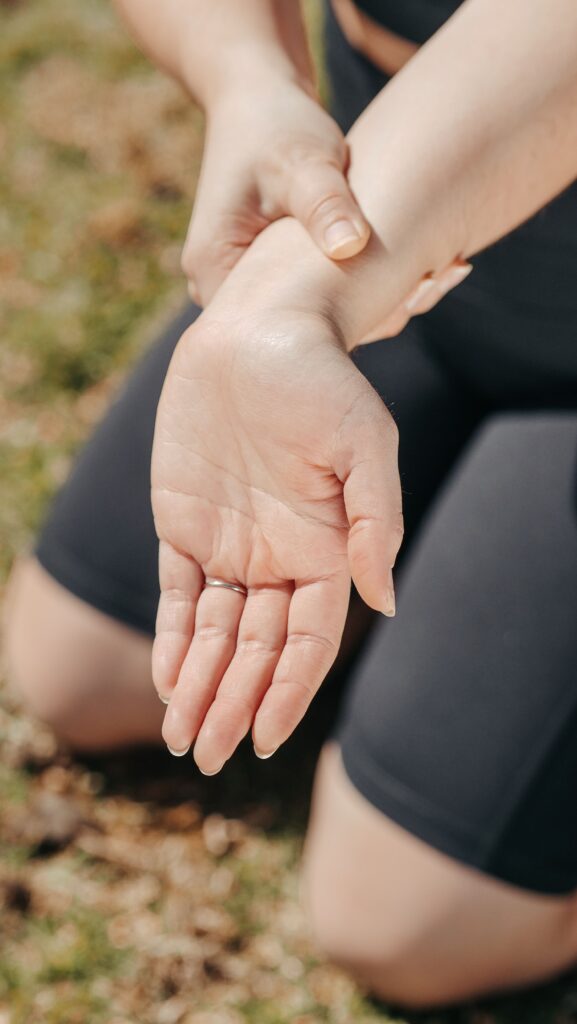
Common Sprain & Strain Injuries We Treat
We see all types of soft tissue injuries each week from our physiotherapists.
The most common Lower body injuries we treat are:
- The most common injuries to the lower body we treat are:
- Ankle sprains due to sport, uneven ground or fall
- Knee ligament sprains, such as MCL and ACL injuries
- Calf muscle strains, especially common among runners
- Common injuries in sprinting and sudden acceleration sports, hamstring strains.
These are some of the more frequent injuries we see in the upper body and back that we treat:
- Lifting injuries, twisting injuries or injuries caused by bad posture while at work in the lower back
- Falls and repetitive strained wrists or shoulders.
- Neck strains, such as whiplash from car crashes
A large number of these injuries are covered within the scope of our wider musculoskeletal physiotherapy and sport injuries services, which address all musculoskeletal conditions of the muscle, bone and joint.
If you’re not sure if you have a sprain or a strain, or if you have a more serious injury, make an appointment for an evaluation. Treatment can begin early with the right physiotherapy provided by a qualified physiotherapist, who can pinpoint the injury.
Why Choose Innovation Physio for Sprain & Strain Treatment
Our clinic is led by Dushyant Singh Pundir, who is an APA Titled Musculoskeletal Physiotherapist. He has a Bachelor of Physiotherapy and a Masters degree in Manual and Sports Physiotherapy.
Only physiotherapists with advanced postgraduate training and who attain high clinical standards are recognised by APA Titling. This does not mean a general train person is assessing your injury, but instead a true specialist.
Dushyant has gained over 15 years of experience in the treatment of musculoskeletal, sports and work-related injuries in Australia and overseas. More about his background and qualifications here.
Our Treatment Approach
Each sprain and strain program is designed to accomplish five goals:
- Surgical repairs — we determine the best approach for repair and then perform it
- Treatment of pain and swelling in the acute stage
- Recovering range of motion and strength by progressive exercise.
- Preventing re-injury – especially important for ankle (and hamstring) strains, which are frequent injuries to be re-injured if not adequately rehabbed.
- So you can get back to full function – return-to-sport and return-to-work planning.
Our Sprain & Strain Physiotherapy Process: Sprain & Strain Physio Dandenong South
1. Initial Assessment
We start with a thorough musculoskeletal assessment. This will help us to grade your sprain or strain and exclude fracture or significant ligament tears and to appreciate the effect on movement.
2. Hands-On Treatment
Manual therapy, soft tissue release, joint mobilisation and dry needling may be used depending on your injury. These methods help alleviate pain and relieve tightness in the muscles.
3. Personalised Rehab Program
Each recovery plan is customized to you. A football player who is injured in his or her ankle during the weekend should have a different rehab plan than a tradesperson with a lower back strain. Progressive strength and stability plans are created for your injury and goals.
If your injury necessitates surgery before the rehab begins, our pre & post surgery rehab program begins the recovery process from the safest point possible.
4. Return to Function
Careful conduct of the last part of the rehab process. From getting back on the bench, in the game, or back to work. We help you leave the gym, sports or physically challenging job not only without pain, but free from fear of re-injury.
Preventing Future Sprains and Strains: Sprain & Strain Physio Dandenong South
There’s a difference between getting better and feeling better. Prevention is incorporated into all plans to prevent re-injury.
It’s all about the little things. Prepare with a good warm up. Build up muscles around the joint that has been damaged or injured. Enhance balance and proprioception, particularly following an ankle sprain. Good lifting practice at work and regular breaks during repetitive activities.
We are building these strategies into your take home program and recovery can continue long after your last clinic visit!
Who We Treat: Sprain & Strain Physio Dandenong South
At our Dandenong South Practice we treat a variety of patients suffering from sprains and strains:
- Any athletes and weekend sportsmen recovering from sports injuries.
- In the workplace, tradespeople and manual workers who have sustained work injuries.
- Structured injury management for patients with injuries through our TAC services
- For anyone in need of continual support in our NDIS physiotherapy program, we are here to help.
- Cardholders using our DVA services.
- Elderly people who are having trouble with falls or limited mobility that cause sprains
All major health funds accepted, making treatment accessible for all.
When to Get Assessed Immediately
Not all twisted ankles and pulled muscles are simple. If you see any of these signs, book an evaluation immediately:
- If there is a significant swelling or bruising within hours after the injury
- Not being able to put weight on it or move the joint.
- Popping or snapping at the time of injury
- Pain that gets worse rather than better within 48-72 hrs.
An early evaluation eliminates the possibility of fractures, complete tearing of the ligament(s) or ruptures of the tendons. Sometimes these injuries require imaging or another method of treatment.
Book Your Sprain & Strain Assessment in Dandenong South
Prevent a sprain or strain from becoming a chronic condition. Expert physiotherapy early in the treatment process maximises the chance of rapid recovery and an enduring result.
Book an Appointment or Contact Us to schedule your consultation.
FAQ's
If they happen in a mild way (Grade 1), they can be better within 1-3 weeks with the right physiotherapy. Grade 2 injuries take 4-8 weeks. Grade 3 tears can take many months to heal, and may require a more gradual rehab.
The first 24-48 hours is the time of complete rest and beyond that, complete rest may not help. Generally speaking, guided movement and early appropriate loading (as directed by your physiotherapist) will result in a quicker and complete recovery in comparison to extended periods of rest.
The majority of private patients are not required to have a referral. Some NDIS funded consultations do require one, however, TAC and DVA do.
Yes. We can still assess and treat chronic ankle instability, ongoing back strain, or old muscle injuries that never received proper rehab. Some patients experience a significant improvement many months to years after the initial trauma.
Take the imaging and/or reports and your health fund and referral numbers (and some comfortable clothes that will help you access the site of the injury).