
Physio for Calf Muscle Strain in Dandenong South
Sudden sharp pain in the back of your lower leg. A “pop” that occurred during the middle of a stride. Having trouble getting up on your toes or even off your feet. If you are familiar with this, you probably have a calf muscle strain, which is one of the most common lower limb injuries that we treat at Innovation Physio in Dandenong South.
A calf strain can cross-sider players, footballers, tradies and weekend warriors and a poor start to its treatment can lead to the unpleasant side effect of relapsing. AAPT Dushyant Singh Pundir has been assisting patients in recovering from calf injuries completely for more than 15 years, which involves thorough diagnosis, manual therapy and a structured re-return to activity plan.
When looking for a trustworthy physio for calf muscle strain in Dandenong South, here is everything you should know — and how we will help you get back to your feet, quicker and stronger.
What Is a Calf Muscle Strain?
The calf is made up of two main muscles – the deeper calf muscle, the soleus, and the larger, more superficial muscle, the gastrocnemius. A strain occurs when the muscle fibres are stretched or torn, usually as a result of a sudden movement, such as running fast, jumping or a sudden change of direction.
There are 3 levels of calf strains – mild, moderate and severe:
✔ Grade 1 (mild): A few fibres are affected. Pain is not too severe, there is not significant loss of strength or movement.
✔ Grade 2 (moderate): Only partial tear, pain, swelling and decreased strength is noted. Walking may be painful.
✔ Grade 3 (severe): The muscle is completely torn. Excessive swelling, bruising, pain and poor weight bearing.
The diagnosis of the right grade is very important — it will dictate how long recovery will take and what will be the safest treatment option.
Common Causes of Calf Strains We See in Dandenong South
✔ Explosive push off (football/soccer/netball/tennis) and sprinting suddenly
✔ Overstriding while running, particularly running up a hill.
✔ Students lack an adequate warm up prior to activity.
✔ The risk of returning too early to sport or training after previous injury.Risk of returning to sport or training too soon after previous injury.
✔ Fatigue or overtraining due to muscle fatigue without sufficient recovery.
✔ Racing at a higher pace or frequency than usual.
✔ Worn-out shoes or foot mechanics problems of the lower leg
✔ Physically intensive workplaces (typical of several of our patients who work in the Dandenong South industrial & logistics precinct)
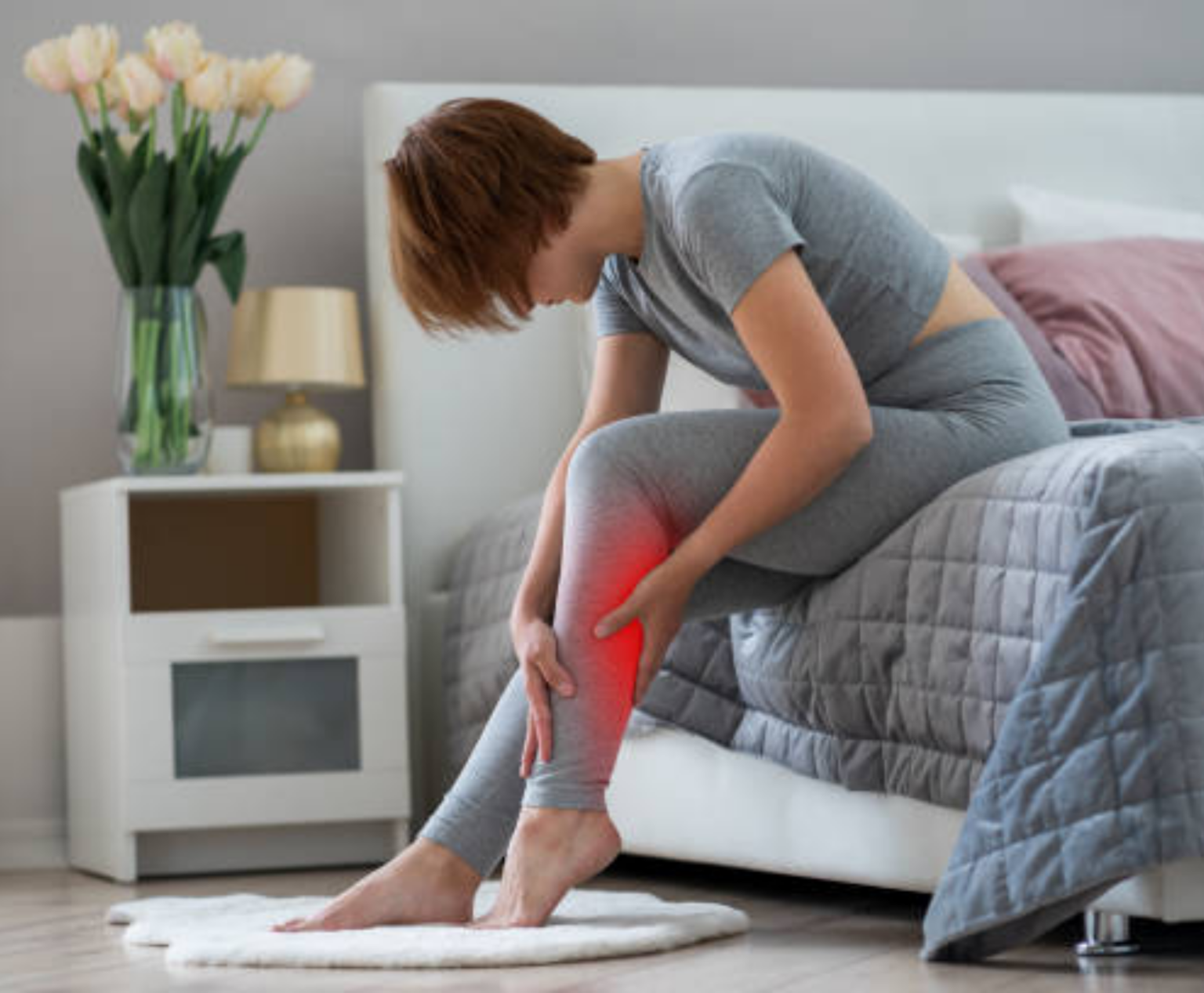
Signs You Should See a Physio for Your Calf Strain
The pain does not have to be severe to stop you from doing this. If you see any of the Signs below, make an appointment for an assessment:
✔ Sudden sharp pain in the back of your lower leg when active
✔ Swelling or bruising or tightness of the calf
✔ Pain on weight bearing the toes, or when pushing off the foot
✔ A limp or significant change in gait (walking pattern)
✔ A pain which does not go away with rest after a few days.
✔ Lack of strength or sense of imbalance in the leg
Even mild calf strains benefit from professional assessment. Minor strains can progress to chronic recurring injuries (CRIs) if not treated properly; this is a common occurrence in people who rest it out the first time, and then go back too soon to the sport).
How We Assess Your Calf Strain at Innovation Physio
On arrival to your appointment, Dushyant will conduct a comprehensive clinical evaluation which will involve:
1. Detailed history-taking — Thorough history taking about how the injury occurred, what movements caused the injury and your activity level
2. Physical exam — range of motion, strength and localizing the exact area and depth of the strain
3. Functional movement testing — Evaluation of functional movement, which includes testing how the injury impacts walking, balance and load bearing.
4. Grading the strain — to determine severity and set realistic recovery timeframes
5. Referral for imaging — if a more serious tear (Grade 2-3) or Achilles involvement is suspected then we will refer you for an ultrasound or further diagnostic tests.
This isn’t a generic, one-size-fits-all approach. Dushyant is an APA Titled Musculoskeletal Physiotherapist who uses advanced clinical reasoning to ensure that your treatment plan is one that is suited to your injury, not just a textbook treatment.
Our Physiotherapy Treatment Approach for Calf Strains
Phase 1: Pain and Swelling Management
Treatment during the acute phase focuses on reducing pain and inflammation but avoids full immobilisation as this will slow healing, using the manual methods, soft tissue release and guided activity modification to achieve this.
Phase 2: Restoring Movement and Flexibility
Once the pain has subsided we integrate very gentle stretching exercises, mobility and hands-on work to restore normal muscle length, and to reduce any tissue stiffness around the muscle.
Phase 3: Strength and Load Rebuilding
This is the part that most people hurry through and typically get re-injured. Progressive strengthening exercises such as calf raises, eccentric loading and functional exercises are used to restore the muscle’s ability to cope with a real demand.
Phase 4: Return to Sport or Activity
We test your strength, power and control of your movement before we allow you to return to running, sports, or heavy work to ensure that your calf is strong enough to take the load, not just that the pain is gone.
Depending on what you present, we may incorporate dry needling as a part of your treatment to help release muscles and aid recovery from the tightness.
How Long Does Calf Muscle Strain Take to Mend?
The recovery period depends on the severity of the injury:
✔ Grade 1: Usually 1-3 weeks with adequate management
✔ Grade 2: Generally 4–8 weeks
✔ Grade 3: May need 3 months or more and might need more intensive and supervised rehab.
These are general guidelines only; the time required for recovery will depend on your age, fitness, when treatment began and how strictly you follow your rehab program. That is why it is important to have a structured physiotherapy plan rather than “resting it and hoping.
Why Choose Innovation Physio for Your Calf Strain Recovery
✔ Over 15 years of experience in clinical practice in Australia and internationally
✔ Musculoskeletal Physiotherapist (APA): Physiotherapists who have had additional advanced training and have a high level of expertise when it comes to musculoskeletal conditions.
✔ Personalised treatment plans, not generic exercise sheets
✔ Situated in the heart of Dandenong South, with easy access to sporting clubs, tradies and industrial/logistics workers in the area.
✔ A 5-star rating with 46+ Google reviews with patients consistently appreciating Dushyant’s knowledge, care and results.
✔ All major health funds accepted, as well as TAC, DVA and NDIS referrals.
Book Your Calf Strain Assessment Today
Don’t let a calf strain persist or become a chronic issue. We can make the difference between frustration and a full recovery by starting treatment early and having the expertise needed to achieve that goal.
Visit us at: Suite 1/134 Logis Blvd, Dandenong South VIC 3175 Call: +61 3 9087 8351
FAQ's
This will vary according to the number of grades. Mild (Grade 1) strains may be walkable with some discomfort, whereas Grade 2-3 strains are likely to be weight bearing painful or difficult. A physio assessment will help to understand and clarify the severity and provide safe movement.
Not immediately. Avoid stretching and flexing during the initial stages because this may aggravate the tear. Your physio will advise you as to when and how you safely can return to stretching as part of your staged recovery.
Not always. A variety of calf strains can be clinically determined. If there is a more serious tear or Achilles involvement is suspected however, we will refer you for an ultrasound to confirm the diagnosis.
Yes. Physiotherapy plays an important role in the calf strain recovery, from the early stages of pain and inflammation, to strengthening, and then safely getting back to games or work, minimising the likelihood of re-injury.
You can call us directly on +61 3 9087 8351 or book online. Ideally, the sooner after injury the better the outcome of recovery.